Parenting teens
Teens want more freedom and still need you, sometimes in the same conversation.
For families with teens roughly ages 13 to 18.
HumanUp helps with everyday parenting questions. Share what's happening at home and get guidance grounded in the authorized work of twelve parenting and child development experts.
 The twelve experts
Pediatricians, psychologists, researchers and bestselling authors.
See the experts Three things that help at homeTeens
Three things that help at home
Here are three things you can try at home, whether or not you use HumanUp.
Keep your teen's wake-up time steady.
Funke Afolabi-Brown, MD, author of Beyond Tired, explains that around puberty a teen's body clock shifts later, so falling asleep early gets hard. It isn't laziness. Keep wake times steady, and limit weekend sleep-ins to an hour or two.
Know where your teen is and keep talking.
Danielle Dick, PhD, author of The Child Code, explains that the teen brain is quick to chase rewards while the parts that weigh consequences are still developing. Know where your teen is, who they're with and what they're doing. Talk about alcohol and other drugs more than once. They may roll their eyes, but they are listening.
Let your teen speak up for themselves.
Jessica Lahey, author of The Gift of Failure, encourages parents to let kids talk with teachers and other adults about their own problems, instead of stepping in to fix things. Offer to help your teen practice, then let it be their conversation.
This is everyday parenting guidance, not medical advice. For health concerns, talk with your teen's doctor. For concerns at school, talk with their school counselor.
More help with everyday questions
After an ADHD or autism diagnosis: humanup.com/adhd and humanup.com/autism
How HumanUp helps
Get guidance for everyday parenting questions as your child grows. Our twelve expert partners include pediatricians, psychologists, researchers and bestselling authors.
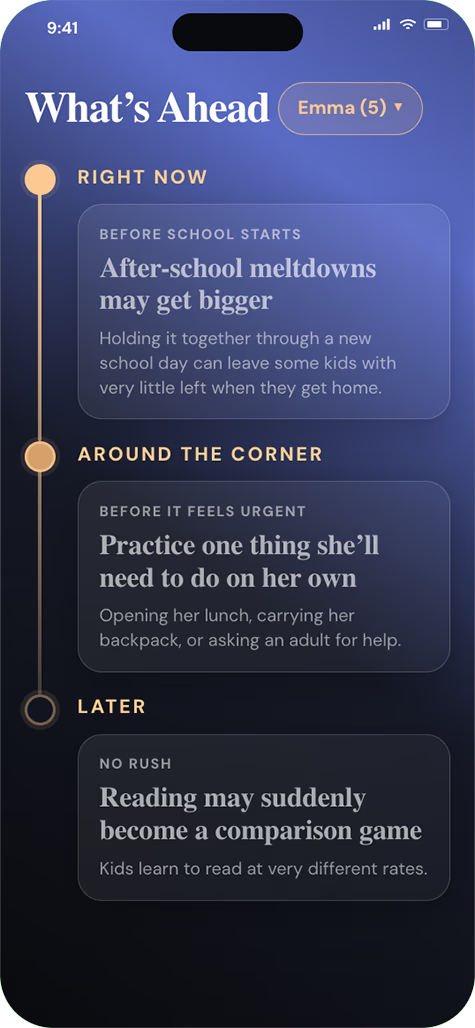
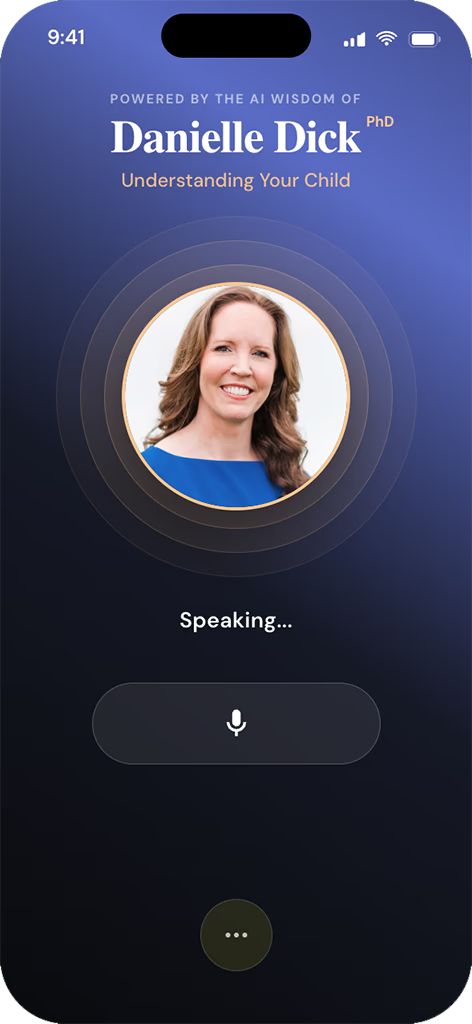
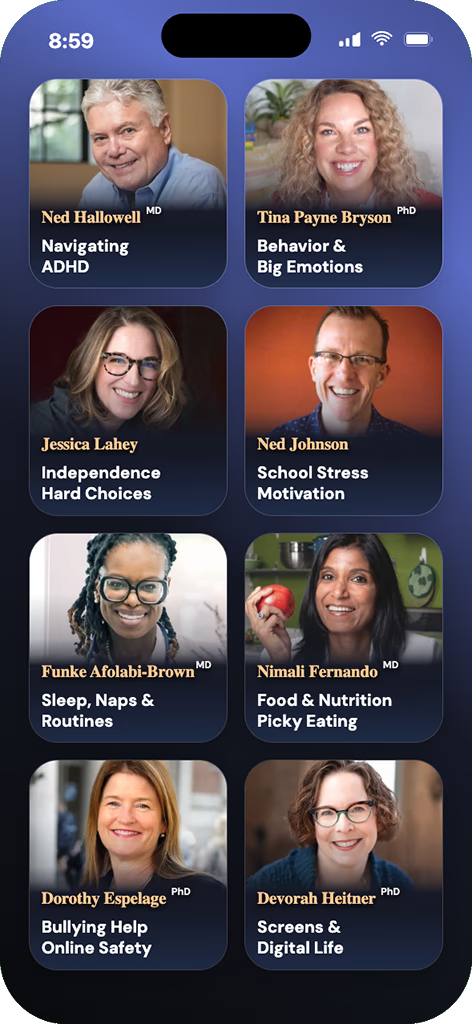
Ask about what's happening with your child. HumanUp draws on the work of experts whose knowledge fits your question.
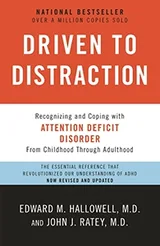
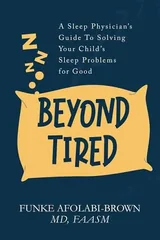
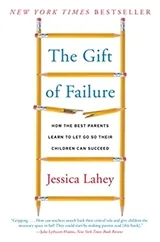
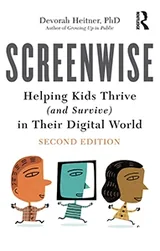

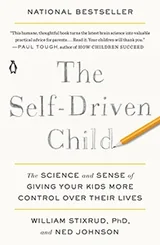
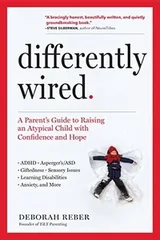
A few of the books the twelve experts have written.
How these answers work
HumanUp uses AI to generate guidance from the authorized work of twelve parenting and child development experts. You're not messaging an expert directly.
HumanUp does not diagnose or treat conditions or replace your child's doctor, therapist, or school team. It helps with everyday parenting questions alongside professional care.
Sharing this with families? You can add humanup.com/teens to a resource list, newsletter or handout. Families can print and use the three steps without HumanUp.
Your individual conversations are never read by a person, unless you specifically ask someone at HumanUp to look into something for you.
HumanUp is a public benefit corporation, and our experts are official partners.
More help with everyday questions:
humanup.com/teen-sleep · humanup.com/teen-risks · humanup.com/vaping · humanup.com/independence
humanup.com/teens
HumanUp provides general educational information. It is not medical, clinical, or therapeutic advice, and it cannot diagnose. For urgent or serious concerns, consult a licensed professional.