

Bedtime arrived an hour ago, and you're still in the hallway, fielding one more request for water, one more trip to the bathroom, one more 'I'm not tired.' The frustration isn't only about tonight. It's knowing this will repeat tomorrow. When bedtime is a nightly negotiation, the rest of the evening dissolves, and so does your patience.
Children often resist bedtime for a mix of developmental and everyday reasons. Young children can't tell time, and they don't always notice when they're tired. Consistent cues help, like the same routine in the same order and the same bedtime and wake time each day, so their body starts to expect sleep.
Additionally, the 'fear of missing out' is a significant driver of bedtime resistance. As children grow, their curiosity expands, and the world becomes an exciting place to explore. They may worry that sleep will cause them to miss out on fun activities or important family interactions. Providing reassurance and setting clear expectations can help mitigate these fears.
In toddlers and preschoolers, stalling often looks like the last hug, the extra book, the sudden thirst. Children this age are testing limits and want some say in their own day, and a calm, steady limit from you helps.
As children get older, stalling can come from worries that surface at bedtime, screens that leave them wound up, or a bedtime that no longer fits how sleepy they actually are.
- Acknowledge, Then Move On: "I know you want to keep playing. Let's read a story together instead." Fallback Plan: If they refuse, name the feeling and offer a choice between two bedtime stories to give them a sense of control. Set Clear Boundaries: "It's time for bed. We'll continue this fun tomorrow." Fallback Plan: If the requests keep coming, try a bedtime pass: one or two slips by the bed, each traded for one request, and when they're gone, they're gone. Let the Routine Lead: "Let's follow our bedtime chart to see what comes next." Fallback Plan: If they balk at the routine, involve them in creating a new bedtime ritual so it feels like theirs.
"If you don't go to bed now, you'll be tired tomorrow!" Said as a threat in the moment, it tends to turn bedtime into a standoff. Talking about why sleep matters works better earlier in the day, when everyone is calm.
"Why can’t you just go to sleep like your sibling?" Comparisons can lead to feelings of inadequacy and resentment, making bedtime even more of a struggle.
Bedtime battles tend to get worse with an irregular bedtime, lively play or screens right up to lights-out, or a nap that runs late in the day.
When each delay gets more of your energy, with negotiating, raised voices or extra check-ins, it tells your child there is still more attention on offer. Keep your responses calm and brief, and save your warmth and praise for when they stay in bed. Starting the wind-down at the same time each night, with screens off and lights low, helps everyone settle.
A calm, predictable limit takes the fight out of a lot of bedtime stalling. What the stalling looks like at your house, and how tired your child really is, guide the first change.
- Is it mostly a string of requests, like water, the bathroom or one more hug, or refusing bed outright?
- At lights-out, is your child genuinely not sleepy yet, or clearly tired but fighting it?
- Does the stalling get worse when the rest of the house is still up and lively?
- When your child stalls, does it turn into negotiating, extra check-ins or raised voices?
- In the hour before bed, is there screen time, rough play or a nap that ran late?
Talk it through with Funke Afolabi-Brown's guidance
Bring last night's bedtime, every request and how long it all took. Talking it through helps you choose which limit to hold first, what to say at the bedroom door and what to change if the stalling gets louder, drawing on Funke Afolabi-Brown's authorized content.
- “My 4-year-old asks for water, the potty and another hug every night and bedtime drags past 9. What should I change first?”
- “We tried bedtime passes for a week and now she cries when they run out. What now?”
- “When he yells "I'm not tired!" from his bed, what do I actually say?”
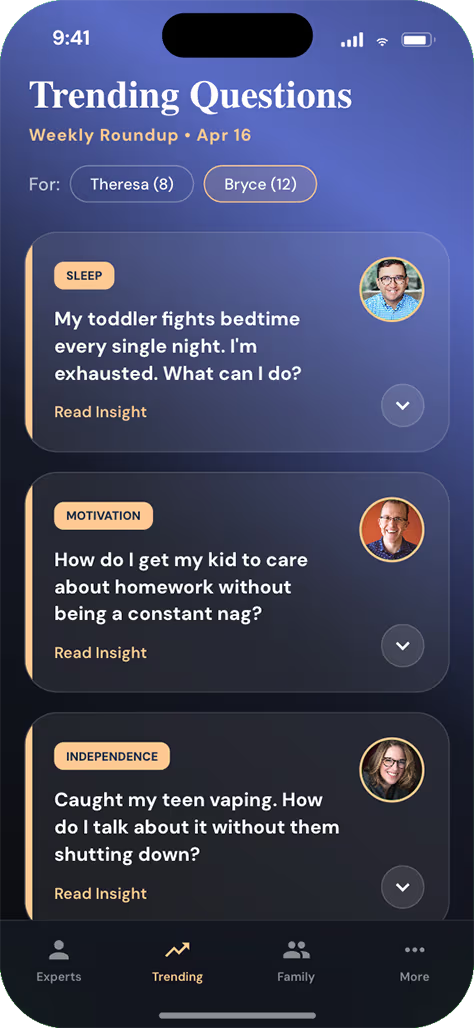


What if bedtime goes smoothly with your partner and falls apart with you?
Try HumanUp free on iPhone or iPad. No credit card required.
HumanUp is currently available on iPhone and iPad. Join the Android waitlist for updates.
🔒 Your conversations are never read by a person · Built on trusted expert guidanceFrequently Asked Questions
Start with a calming activity like reading or a bath, followed by consistent bedtime rituals. This routine helps signal your child's body that it's time to sleep.
Look again at the routine's timing and activities. Some children need a slightly later bedtime, closer to when they actually fall asleep. If anything about your child's health or sleep worries you, your pediatrician is the right person to ask.
Address fears directly by acknowledging them and providing comfort. A dim nightlight kept out of your child's direct line of sight, or a comfort object, can also help.