

Dinner is ready, the table is set, and your child has been eating since 3:30. The afternoon turned into a rolling parade of crackers, fruit pouches, and 'just one more' requests, and now the meal you cooked sits untouched while your child announces they're 'not hungry.' That's not defiance. That's a stomach that's been keeping itself full all afternoon, and it's one of the most common feeding patterns families fall into without ever deciding to.
Children may engage in constant snacking due to both physical and emotional needs. Young children often do need a snack between meals. What matters is that snacks come at set times, so they don't turn into grazing.
Emotionally, snacking can also be a way for children to seek comfort or alleviate boredom. Recognizing the cues that lead to snacking-whether it's a response to a feeling of hunger or an emotional need-can help you address the root cause. By understanding these patterns, you can guide your child towards healthier eating habits and a more balanced diet.
Younger children often do well with a mid-morning and an afternoon snack, with nothing in between. A break of an hour or two before each meal helps children come to the table a little hungry. Older kids may only need one snack after school, and constant snacking is often more about habit or boredom than hunger.
- Establish a Snack Schedule: "Let's pick two times for snacks today, so we know when to look forward to them."
If your child resists, remind them gently of a fun activity planned between snack times to create a distraction.
- Name the Emotion: "I see you want a snack. Are you feeling hungry, or is there something else going on?"
If they struggle to express their feelings, offer options like drawing or a hug to help them communicate their needs.
- Involve Them in Choices: "Would you like fruit or cheese for your snack today?" If they demand different options, calmly explain that they can choose from these two right now.
Avoid saying, "You just ate, you can't be hungry!" This can leave a child feeling unheard. Instead, try, "It's okay to feel a little hungry. Snack time is soon. Let's do something else until then."
Don't use phrases like, "If you eat that, no dessert later!" This creates a negative association with eating and can make food a battleground rather than a nourishing activity.
The spiral starts with a reasonable fear that a child didn't eat enough at lunch, which prompts an afternoon snack, and then another, with no clear stopping point. Each snack reduces mealtime appetite, which produces a disappointing dinner, which generates more worry, which produces more snacking the next day.
The pattern can keep itself going. Your child may be eating plenty over the day, just not when dinner is ready. One thing to try is a set time when the kitchen closes before dinner, said the same way every day ("Snack ends at 5, dinner is at 6:30"), so it doesn't turn into a daily negotiation.
Set snack times and a calm way to close the kitchen are the basic plan. How it plays out at your house turns on when the asking starts and what sits behind it.
- How old is your child, and how many snacks a day do they have now?
- Do the requests bunch up after school and before dinner, or carry on all day?
- Are the snacks mostly crackers, pouches and pretzels, or more like a small meal?
- Does your child snack in the car, on errands or while playing, rather than sitting down?
- What is your child usually doing right before they ask for a snack?
Talk it through with Nimali Fernando's guidance
Walk HumanUp through a normal day of snacking, from breakfast to dinner. Guidance built on Nimali Fernando's authorized content can help you set a snack rhythm that fits your day, find calm words for the requests and get through the first week of protests.
- “My 9-year-old raids the pantry straight after school and then won't touch dinner. What should after-school food look like?”
- “We set snack times and now my 4-year-old melts down every time I say the kitchen is closed. Do I hold the line?”
- “My toddler expects crackers in the car on every errand. What do I say when I stop bringing them?”
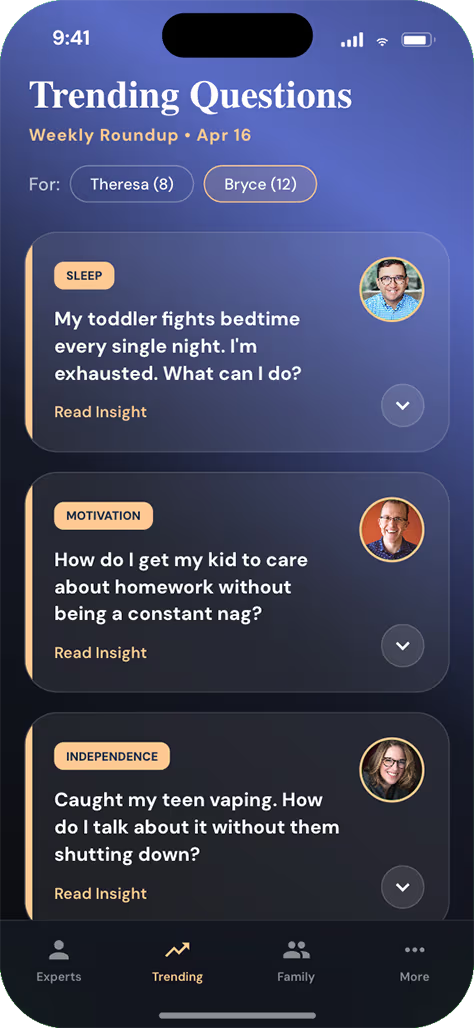


What if snacks are how your child's sitter keeps the peace?
Try HumanUp free on iPhone or iPad. No credit card required.
HumanUp is currently available on iPhone and iPad. Join the Android waitlist for updates.
🔒 Your conversations are never read by a person · Built on trusted expert guidanceFrequently Asked Questions
Begin by identifying natural breaks in your child's day and designate these as snack times. Consistency helps create routine and predictability.
Think of a snack as a small meal. A cheese stick with whole-grain crackers and fruit, or vegetables with hummus, mixes a few kinds of food, which makes a snack more filling. Water is a good drink to go with it.
Look for patterns between snack requests and activities. If snacks are consistently requested during downtime, it may indicate boredom. Offering alternative activities or engaging them in play can help redirect their focus.