

The suggestion to try sensory play sounds reasonable until you're standing in the kitchen wondering what exactly you're supposed to set up, and what any of it has to do with dinner.
The link is simpler than it sounds. When children touch, smell, squish and listen to real food with no pressure to eat it, the food becomes familiar. A familiar food is often less scary to taste later.
Sensory play is how young children learn about the world. They squeeze, pour, smell, tear and listen. Along the way they practice hand skills like pinching, pouring and stirring, and they pick up new words for what they notice, like bumpy, squishy, crunchy and cold. With food, it does one more thing. Getting to know a fruit or vegetable with every sense, before any tasting, helps a child make friends with it, so it feels less scary at the table.Toddlers explore by squeezing, smearing and touching everything, food included. Letting them feed themselves and get messy at meals is part of how they get to know food.
Young children can help in the kitchen by rinsing vegetables, tearing lettuce, kneading dough or snapping peas. Handling food this way, with no pressure to taste, helps it feel familiar. As their words grow, children can describe what they notice, like "it's slimy" or "it's cold," and talking about a food's color, texture, smell and sound becomes part of the fun.
- Encourage Exploration: "Let's see what happens when we mix these colors together!"
If your child hesitates, gently model the activity first to show that it's safe and enjoyable.
- Validate Feelings: "It looks like you're surprised by how cold that is. It's okay to feel unsure."
If your child remains uneasy, offer a familiar object for comfort and try again later.
- Promote Curiosity: "Can you tell me how this feels in your hand?"
If they don't respond, try expanding the question to include more senses, like asking about the smell or sound.
Avoid saying, "Stop making a mess!" This phrase can stifle creativity and discourage exploration, which are key components of sensory play. Instead, focus on setting up a designated play area where they can freely explore without the worry of making a mess.
Another common misstep is, "You're playing wrong." There is no right or wrong way to engage with sensory activities. Such remarks can undermine a child's confidence and willingness to express themselves.
Sensory play with food works best when there's no hidden test. If a child senses that touching the broccoli is really a step toward being made to eat it, they may stop wanting to touch it at all. Keep the focus on exploring how it looks, feels, smells and sounds. Tasting can be offered later as a small, low-key step, and it's fine if your child isn't ready yet. Real food is a great material for this. Rinsing, tearing, snapping and squishing fruits and vegetables while you cook together all count as sensory play.Easy setups, from the kitchen counter to the garden, make sensory play simple to start. How your child takes to new textures, and what you want from it, help you pick a starting point.
- Are you hoping sensory play will help with eating, or mainly looking for good play at home?
- Does your child dive into messy materials, or hang back and avoid getting their hands dirty?
- Is your baby or toddler allowed to feed themselves and get messy at meals?
- Do you have a garden, balcony pots or a farmers market where your child can handle real food?
- Does your child have words for how things feel, like slimy, bumpy or cold?
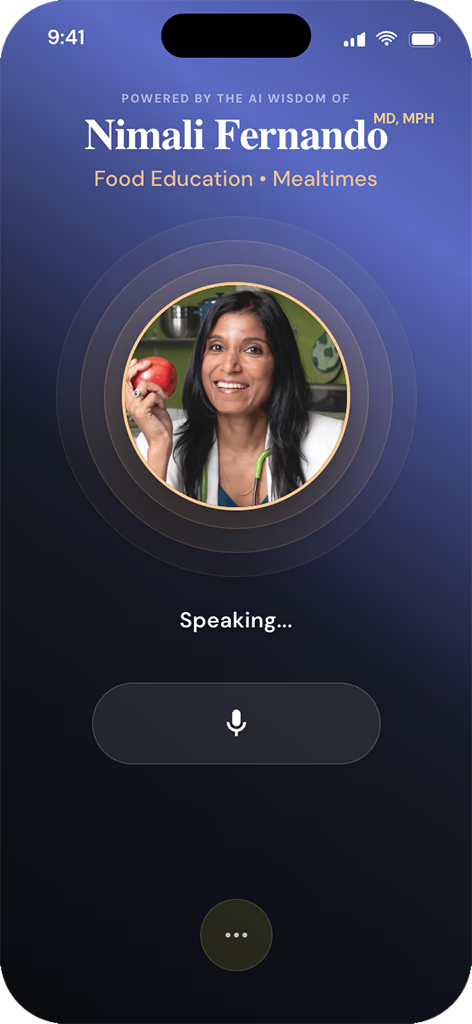
Talk it through with Nimali Fernando's guidance
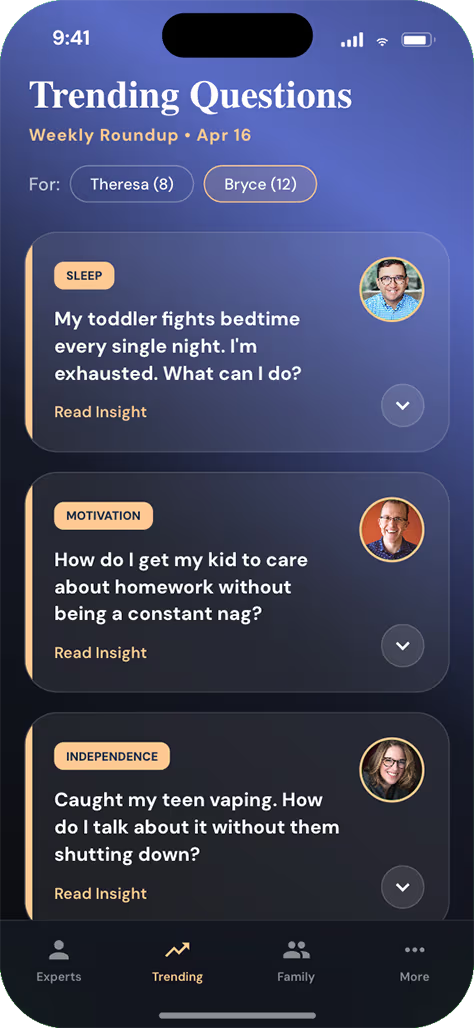
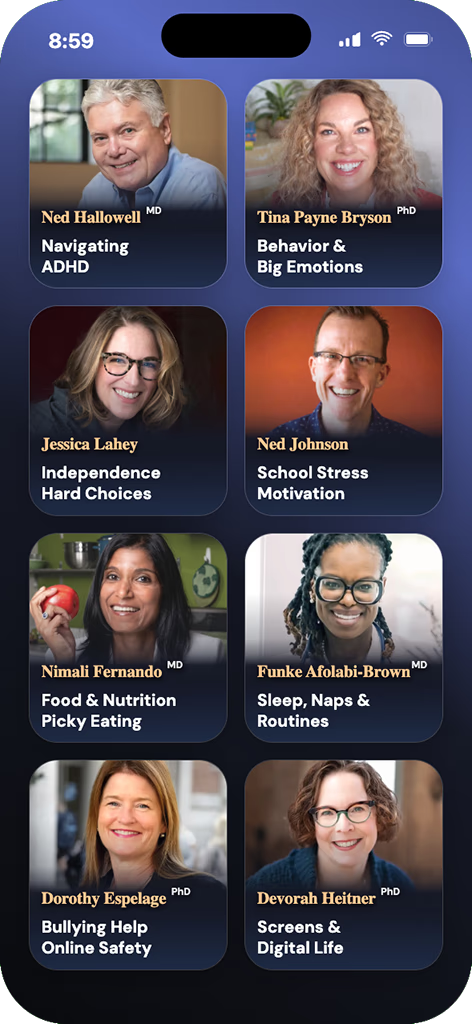
Tell HumanUp about your child, your space and how much time you have. Guidance grounded in Nimali Fernando's authorized content can help you pick a first activity, find easy ways to talk about how things feel and know what to try if your child won't touch anything messy.
- “It's raining and my 4-year-old is bouncing off the walls. What can I set up in the kitchen in five minutes?”
- “I set out a bin of dried beans and my 2-year-old cried and wouldn't touch it. What could I try instead?”
- “My 5-year-old is wary of new foods. Should we keep playing with food even if she never tastes it?”
What if your child loves mud but won't touch a sticky spoon?
Try HumanUp free on iPhone or iPad. No credit card required.
HumanUp is currently available on iPhone and iPad. Join the Android waitlist for updates.
🔒 Your conversations are never read by a person · Built on trusted expert guidanceFrequently Asked Questions
Designate a specific area with easy-to-clean surfaces, and use trays or bins to contain materials. For babies and toddlers, skip anything small enough to fit in their mouth, and stay close while they play.
Introduce new textures gradually and offer alternatives. Encourage exploration without pressure, allowing them to interact at their comfort level.
Follow your child's interest. A few minutes can be plenty for a young child, and some children will happily play much longer. It's best to stop while it's still fun.